
Samizdat 2026 Programme
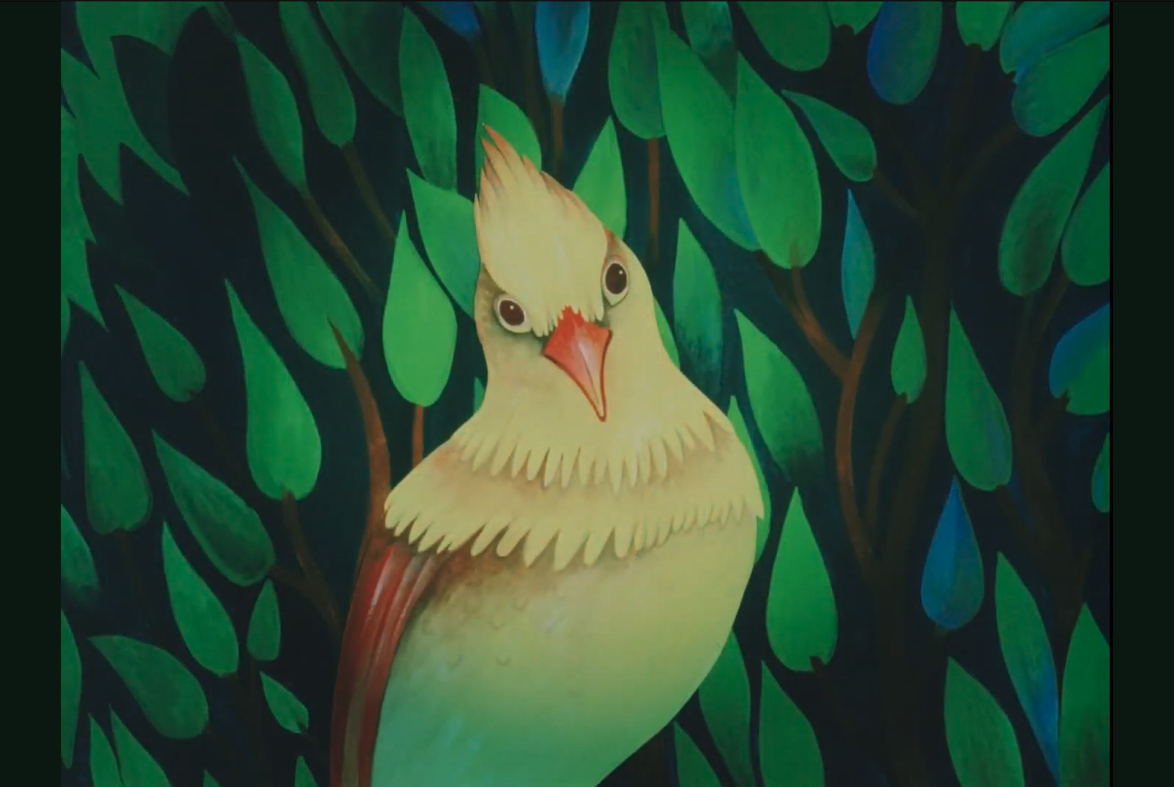
Samizdat x Filmhouse: Politics of the Imagination. Animations of the Eastern Bloc (1958–1992)
From post-apocalyptic visions and classic folk tales to surrealist dreamscapes and allegories of political paranoia, this programme offers an eclectic range of shorts showcasing the raw talent and creative ingenuity of animators from the Eastern Bloc.
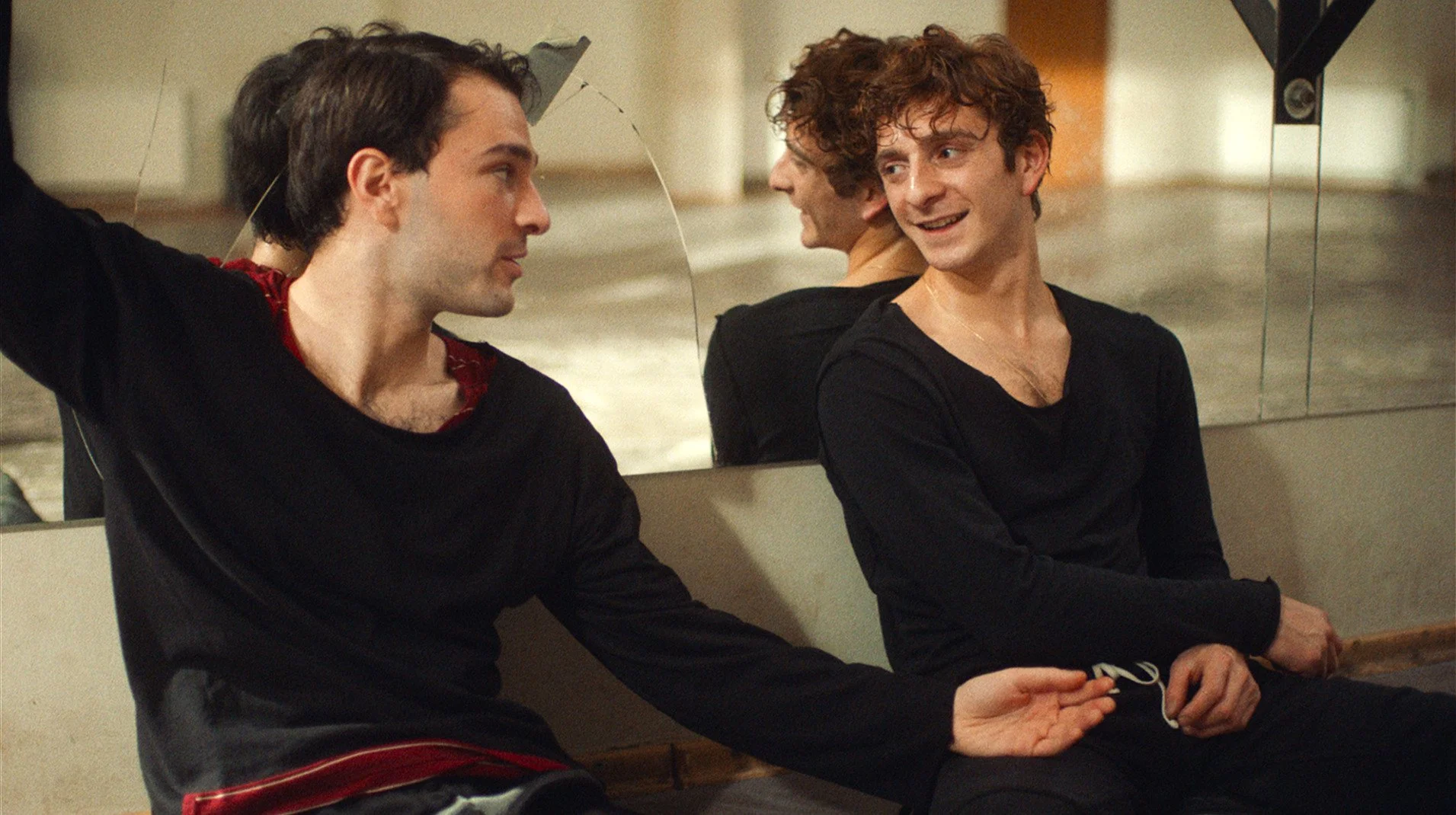
Samizdat x Filmhouse: And Then We Danced / და ჩვენ ვიცეკვეთ (Levan Akin, 2019)
The second feature film of Swedish-Georgian director Levan Akin, And Then We Danced is a stunning exploration of queer identity in modern-day Georgia, the intoxication of first love, and the fraught tensions between the responsibility to uphold tradition and the desire for freedom of expression.
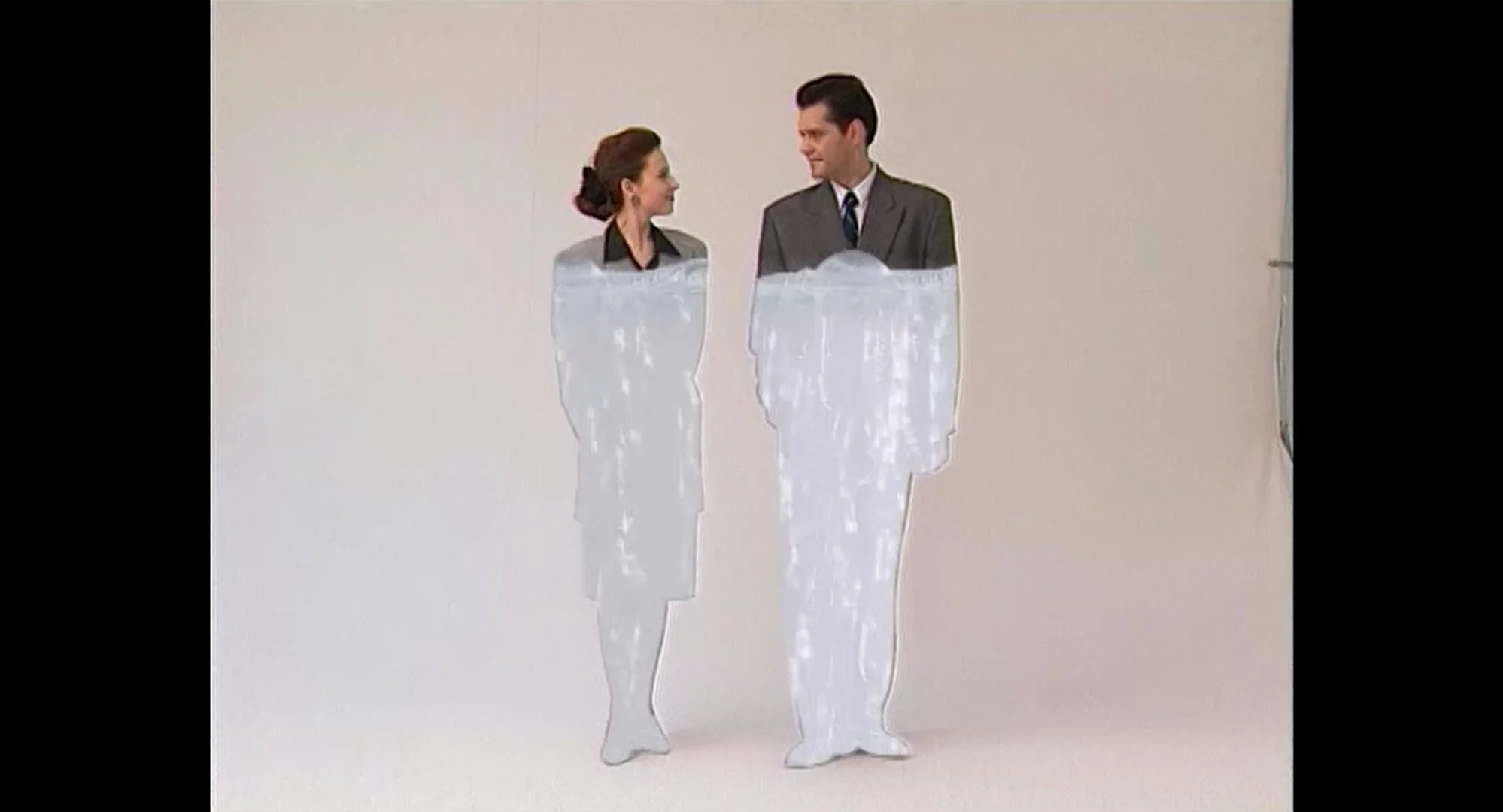
Samizdat + Doc Screen x Filmhouse: Eight Postcards from Utopia / Opt ilustrate din lumea idealǎ (Radu Jude & Christian Ferencz-Flatz, 2019)
Constructed entirely from Romanian TV adverts made after the fall of Ceaușescu, Radu Jude and philosopher Christian Ferencz-Flatz’s inventive found-footage film traces three decades of a society's embrace of the promises of capitalism.
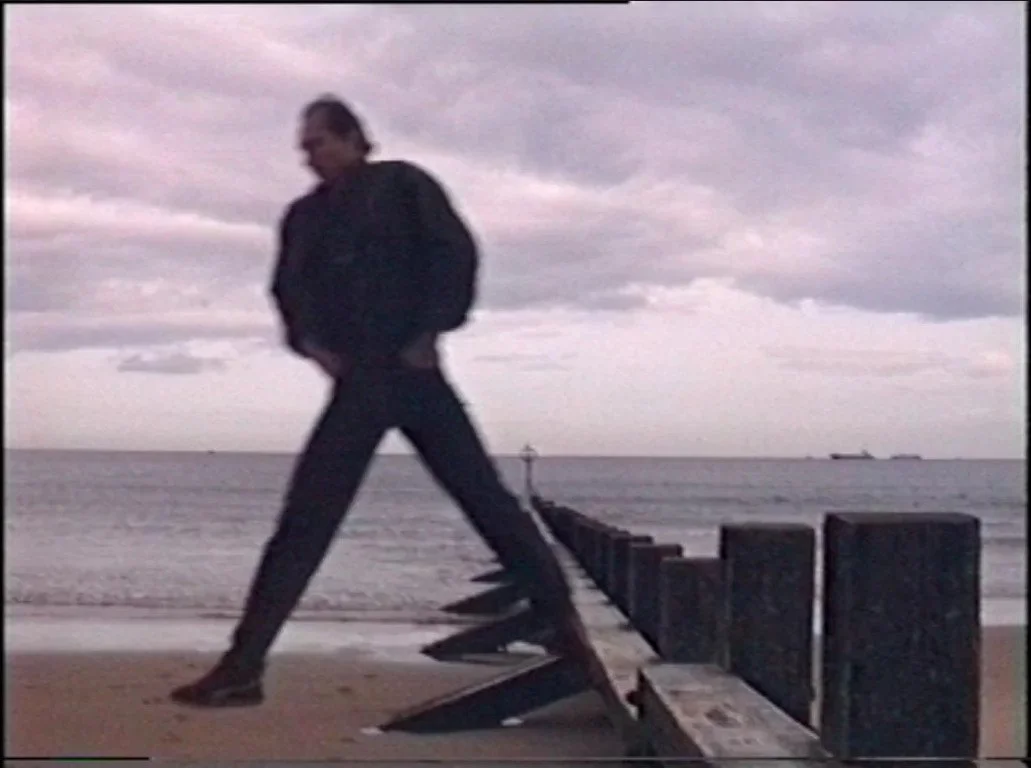
Samizdat x Filmhouse: Fragments of Ice / Фрагменти льоду (Maria Stoianova, 2024)
Glimpses of a utopian West in dialogue with the daily routines and private celebrations of a Ukrainian family in the years surrounding the collapse of the USSR and Ukraine regaining its independence.
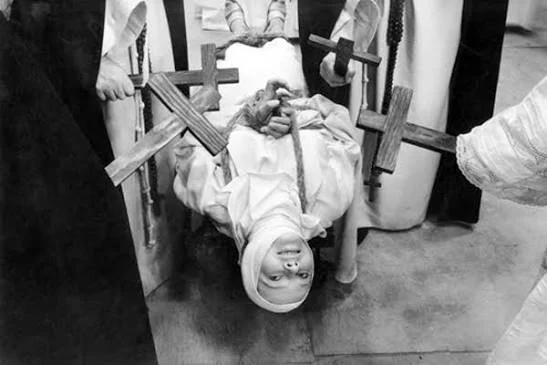
Samizdat x Filmhouse: Mother Joan of the Angels/ Matka Joanna od Aniołów (Jerzy Kawalerowicz, 1961)
A landmark of Polish art cinema, this austere religious horror follows a priest sent to a remote 17th-century convent after reports of demonic possession. As he attempts to exorcise Mother Joan, the convent’s possessed superior, he is drawn into an increasingly charged and disturbing confrontation with faith, desire and repression.
Samizdat x Peacock: Mother Joan of the Angels/ Matka Joanna od Aniołów (Jerzy Kawalerowicz, 1961)
A landmark of Polish art cinema, this austere religious horror follows a priest sent to a remote 17th-century convent after reports of demonic possession. As he attempts to exorcise Mother Joan, the convent’s possessed superior, he is drawn into an increasingly charged and disturbing confrontation with faith, desire and repression.

Samizdat + Borscht x Belmont: Rave (Łukasz Ronduda & Dawid Nickel, 2024)
An exploration of the history of Polish techno and rave culture, weaving together the perspective of the 1990s with the experience of Gen Z.
Samizdat x Belmont: Fragments of Ice / Фрагменти льоду (Maria Stoianova, 2024)
Glimpses of a utopian West in dialogue with the daily routines and private celebrations of a Ukrainian family in the years surrounding the collapse of the USSR and Ukraine regaining its independence.
Samizdat x Belmont: And Then We Danced / და ჩვენ ვიცეკვეთ (Levan Akin, 2019)
The second feature film of Swedish-Georgian director Levan Akin, And Then We Danced is a stunning exploration of queer identity in modern-day Georgia, the intoxication of first love, and the fraught tensions between the responsibility to uphold tradition and the desire for freedom of expression.
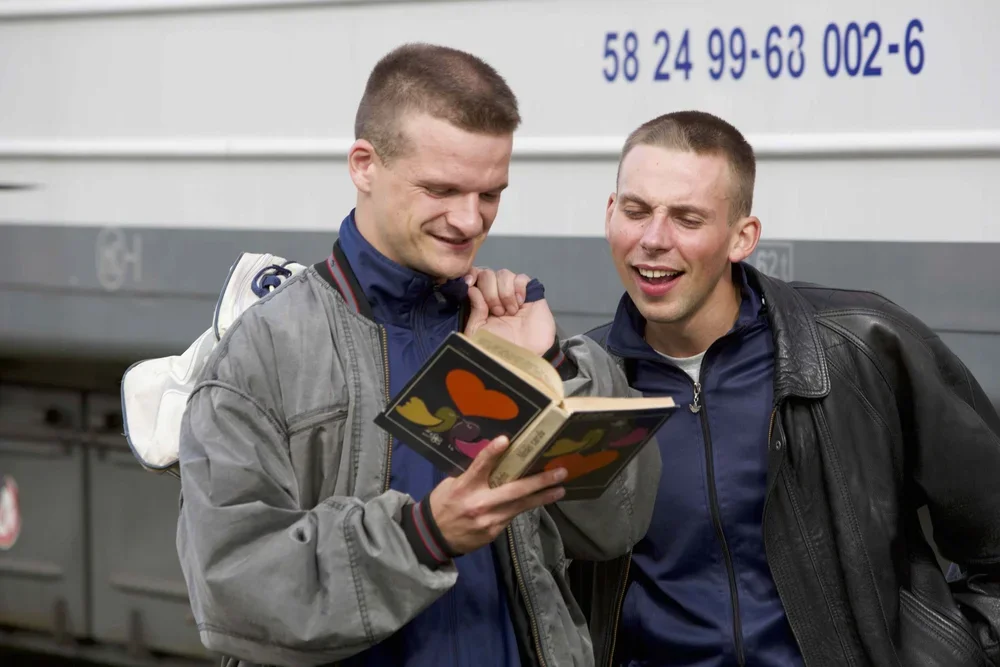
Samizdat x Cromarty: Southern Chronicles / Pietinia Kronikas (Ignas Miškinis, 2024)
The life of teenage Rimantas revolves around rugby, music, and small black-market hustles — until his crush on Monika brings books into it…
Samizdat x Cromarty: And Then We Danced / და ჩვენ ვიცეკვეთ (Levan Akin, 2019)
The second feature film of Swedish-Georgian director Levan Akin, And Then We Danced is a stunning exploration of queer identity in modern-day Georgia, the intoxication of first love, and the fraught tensions between the responsibility to uphold tradition and the desire for freedom of expression.
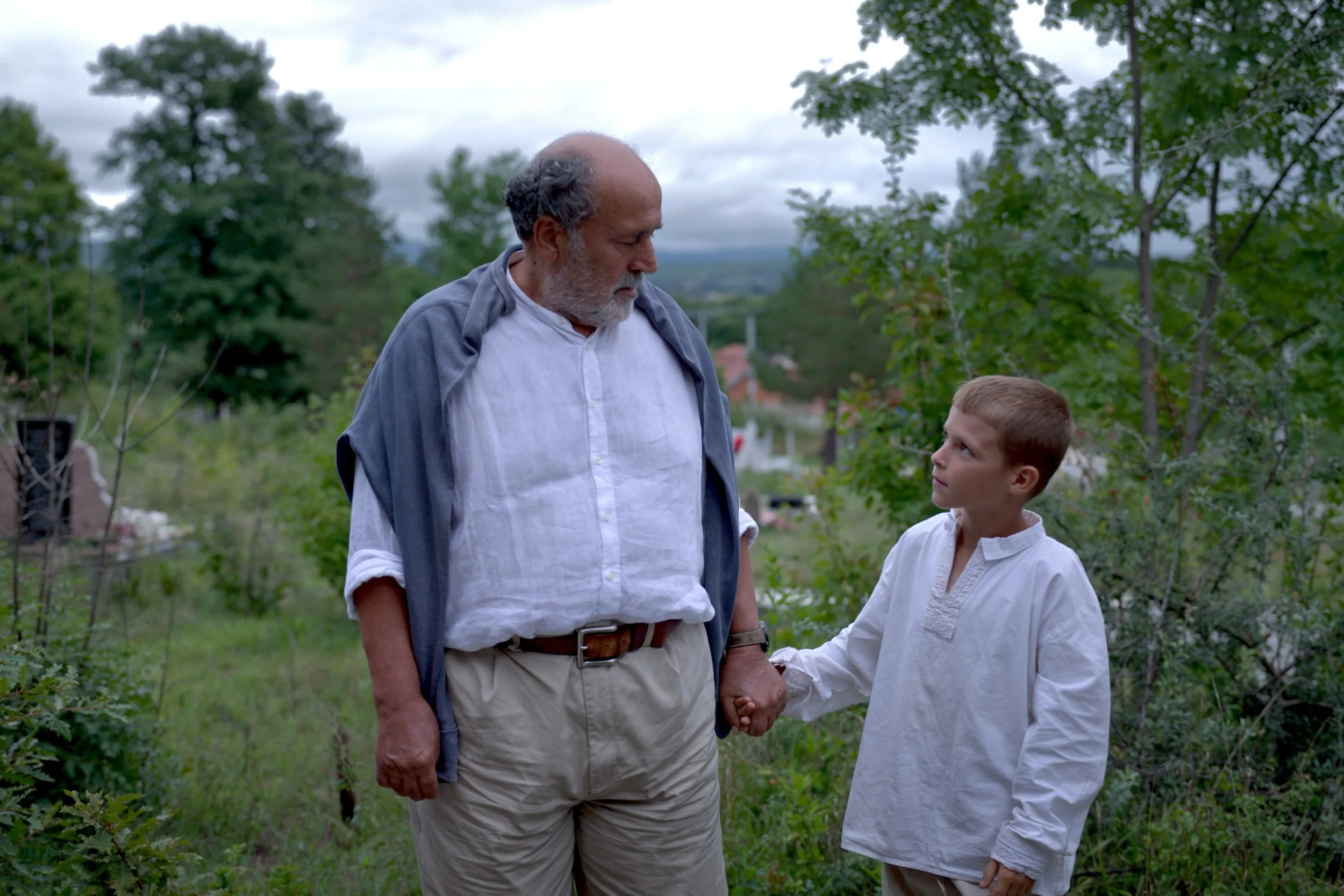
Samizdat x Cromarty: The Beauty of the Donkey / Bukuria e Gomarit (Dea Gjinovci, 2025)
In 1968, Asllan, a 19-year-old Kosovar political activist, was forced into exile. More than 50 years later, his daughter Dea visits the village with him and, as her father shares stories from his childhood, sets out to revive memories of a suspended past.
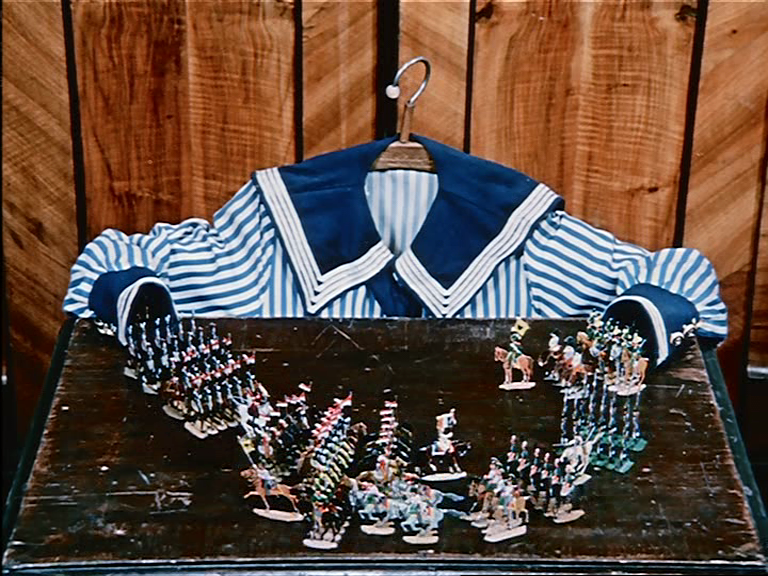
Samizdat Glasgow 2026 Closing night: 5th Anniversary Shorts Collection
An exercise in collective retrospection and introspection: each of us chose a film that speaks to who we are, how and why we work, and how we relate to the glorious and unrelenting cinematic landscapes we roam.
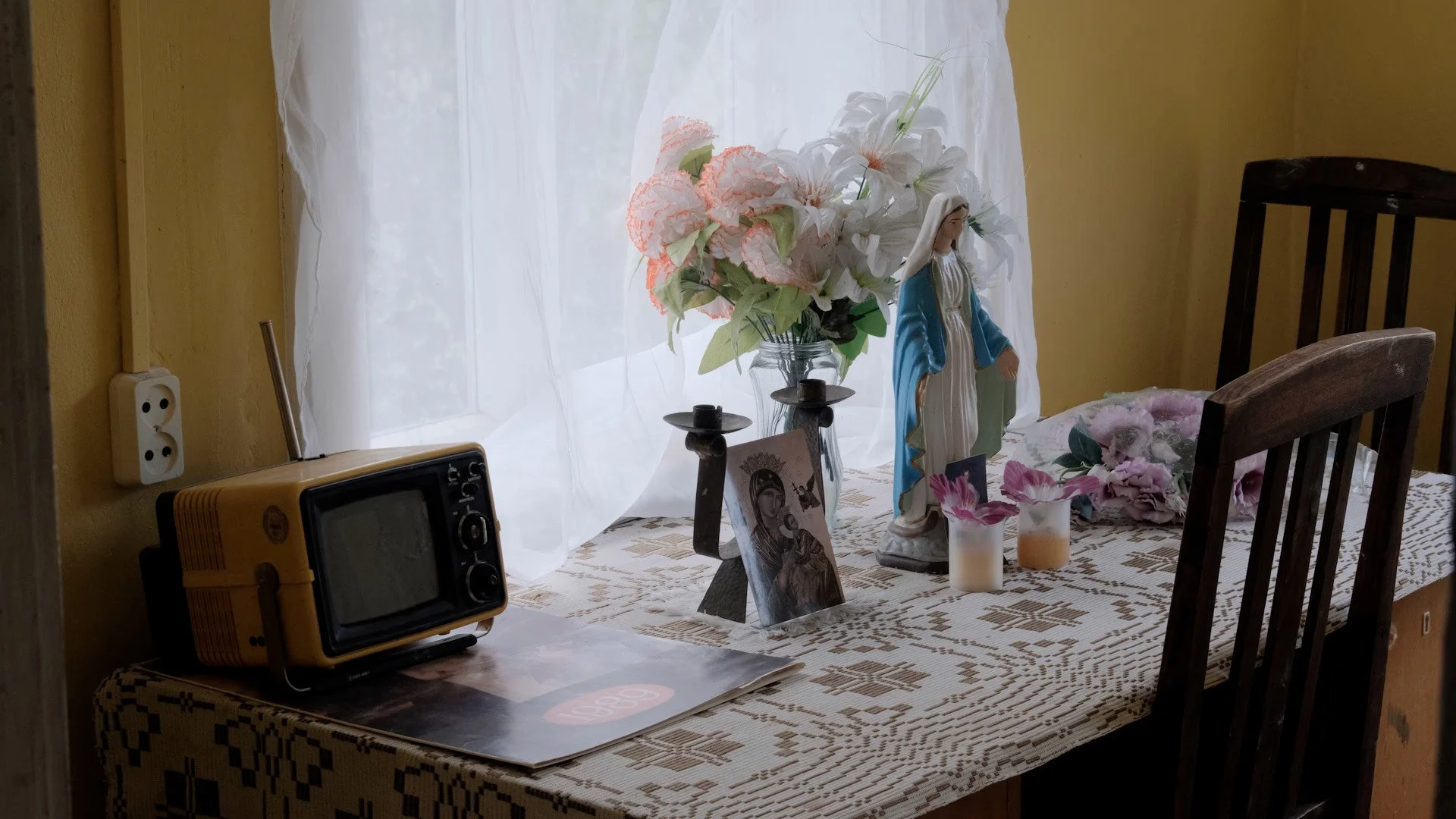
LAK i (Marija Nemčenko, 2021)
LAK i forms a part of a larger project focusing on migratory bird routes from Lithuania via Palestine and Lebanon to Sudan, which emerged from a need to counter the rise of negative nationalism in Eastern Europe and foster broader non-Western solidarities through more-than-human actors.
And Then We Danced / და ჩვენ ვიცეკვეთ (Levan Akin, 2019)
The second feature film of Swedish-Georgian director Levan Akin, And Then We Danced is a stunning exploration of queer identity in modern-day Georgia, the intoxication of first love, and the fraught tensions between the responsibility to uphold tradition and the desire for freedom of expression.

After Dreaming / Երազելուց հետո (Christine Haroutounian, 2025) + Kafka / Կաֆկա (Vahan Khachatrian, 2026)
After Dreaming lives in a place where certainty keeps receding. The war is there and not there. A dream comes and goes, appearing just long enough to pull you into it before slipping away again. A landscape becomes a memory, a memory becomes a present, a body becomes a question. Nothing settles into one meaning for long.
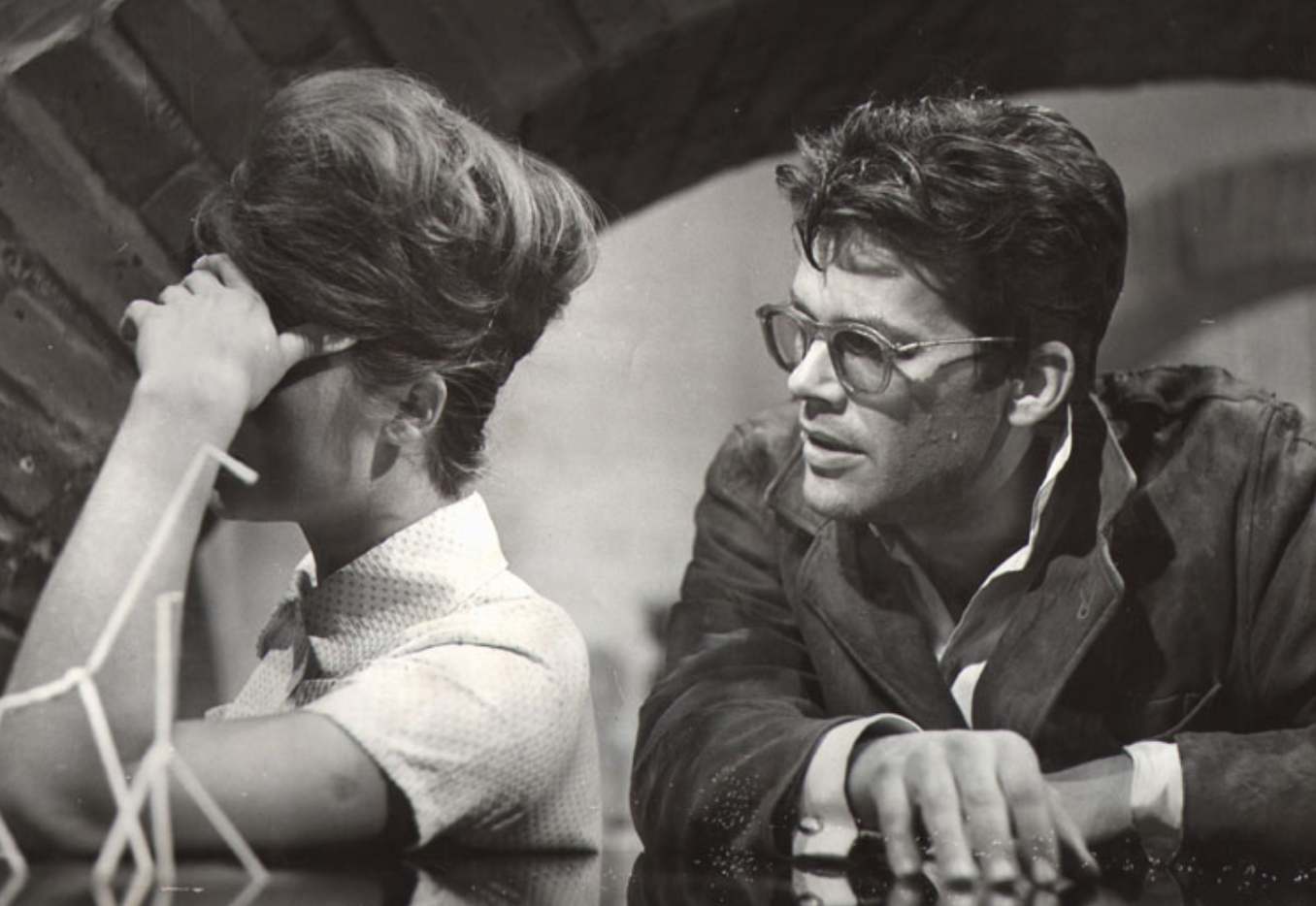
Goodbye, See You Tomorrow / Do widzenia, do jutra (Janusz Morgenstern, 1960)
Starring and written by the ‘Polish James Dean’ Zbigniew Cybulski, closely inspired by his own life as a theatre director in Poland, the film is a classic story of boy-meets-girl: but also one of the nervous post-war relationships between East and West.
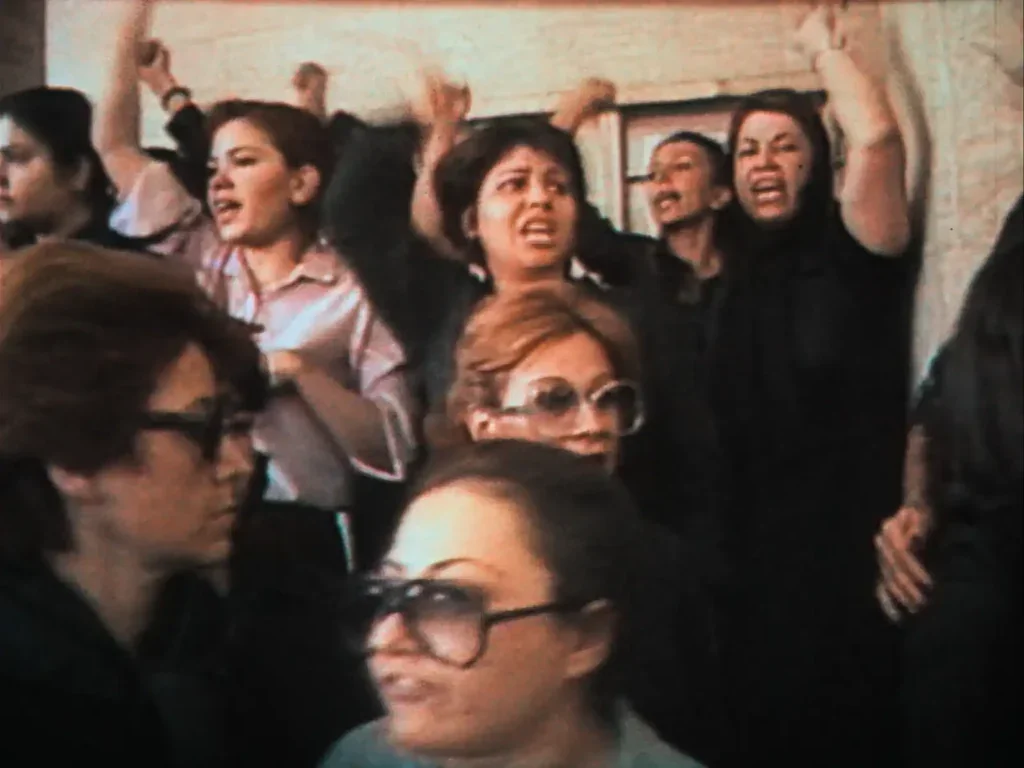
Between Revolutions / Între Revoluții (Vlad Petri, 2023)
Part love story, part political essay and part speculative archive, Between Revolutions follows Maria and Zahra, whose fictional correspondence spans the upheavals of Romania and Iran.
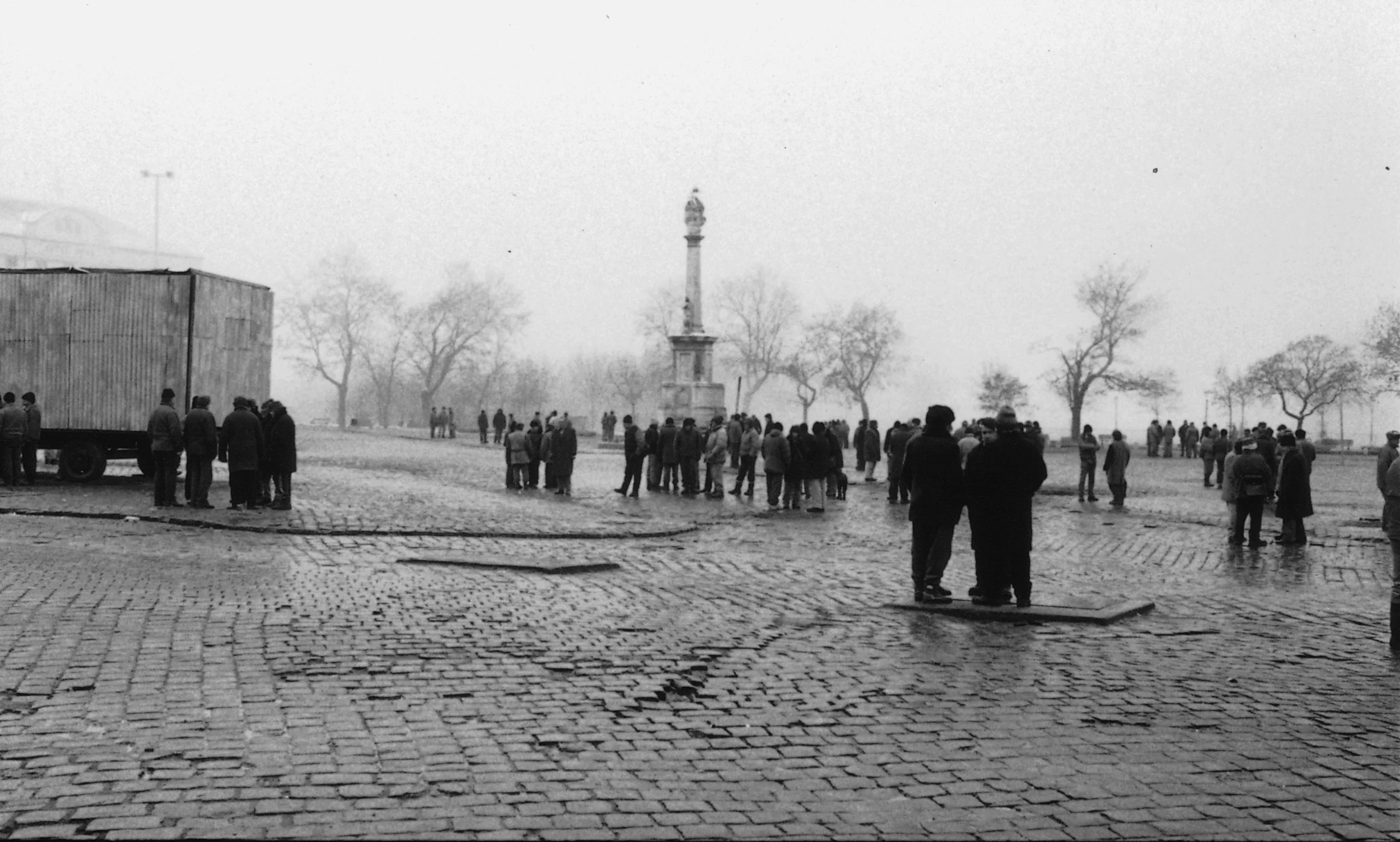
Werckmeister Harmonies / Werckmeister harmóniák (Béla Tarr & Ágnes Hranitzky, 2000)
Presented in rarely-seen 35mm, this adaptation of László Krasznahorkai’s masterpiece depicts the breakdown of social order in a small Hungarian town following the arrival of a mysterious travelling circus.
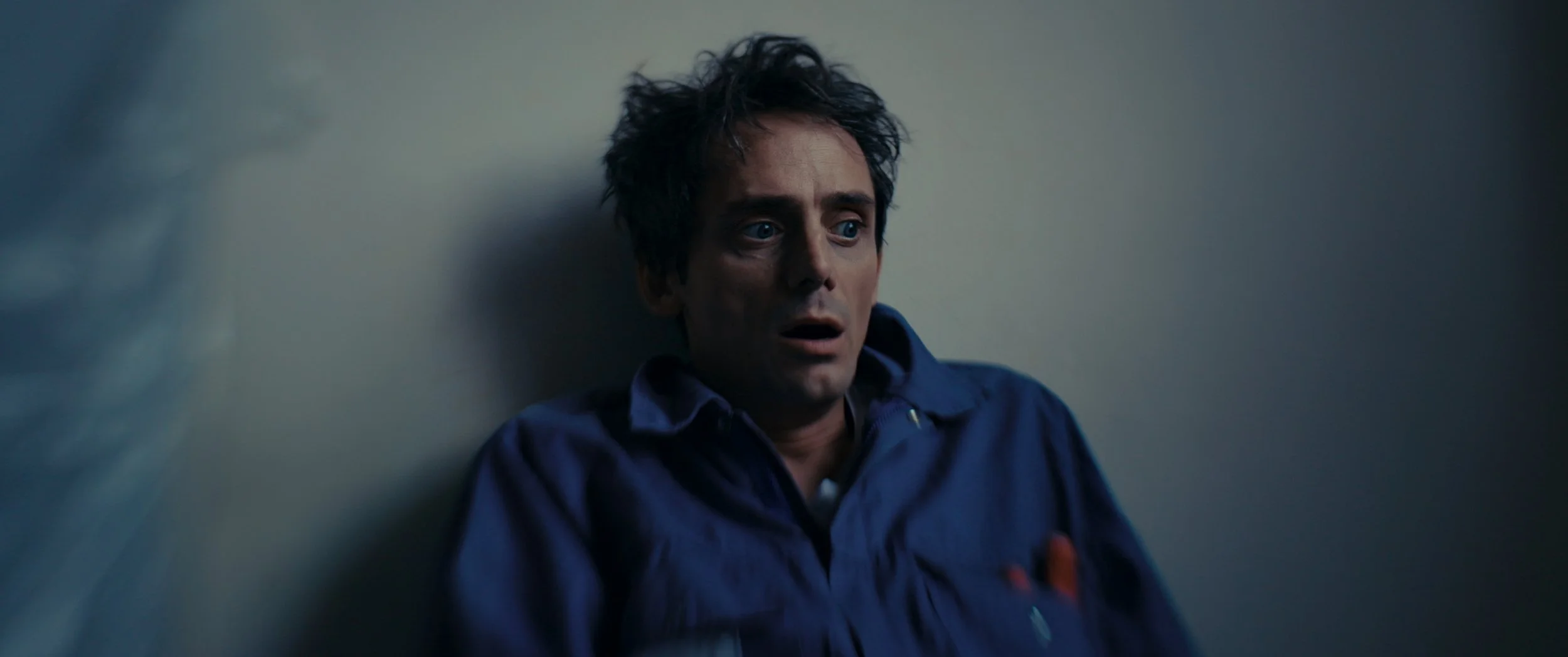
Samizdat Short Film Competition, Block 2
A dying lake's monologue against colonial crimes echoes through dreamlike landscapes. Feverish visions of diasporic Berlin are cut through by a quiet beach after a shipwreck. Ending on a note of unlikely solidarity, Block 2 is an attempt to craft hope from the depths of despair.

Samizdat Short Film Competition, Block 1
Our first block opens with piercingly honest, playful reflections on cinema, war, and displacement; moves through the finiteness of life via drama and comedy; and closes with an animation that has already acquired legendary status.
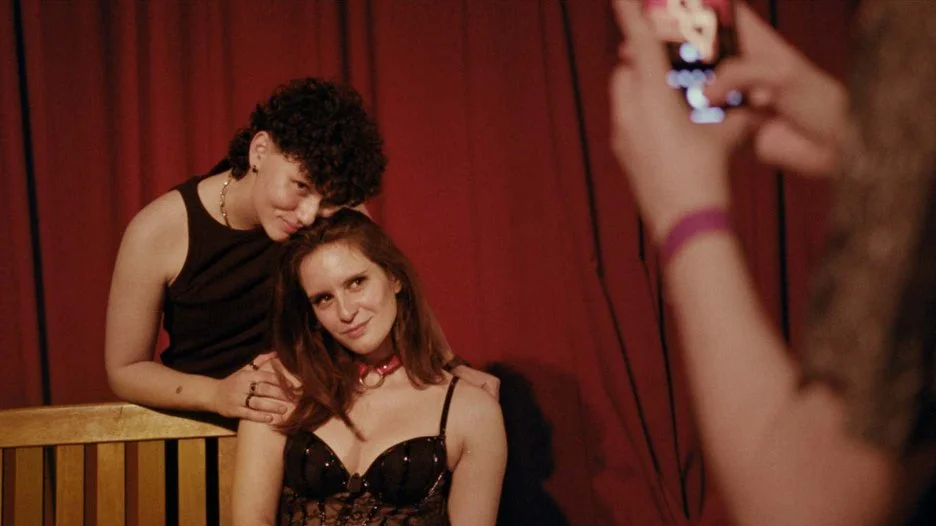
Grand Prize (Anja Koprivšek, 2024)
A joyous celebration of love and chosen family amongst the new generation of Croatian queer youth.
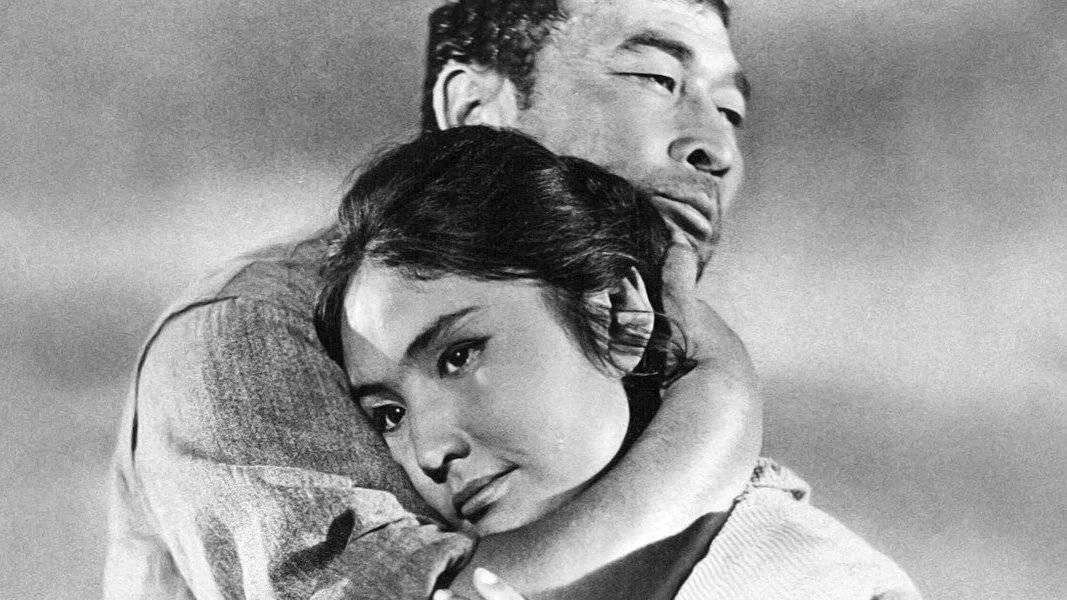
Heat / Зной (Larisa Shepitko, 1963)
Larisa Shepitko's debut film follows a young graduate Kemel sent to a remote steppe during the Virgin Lands Campaign, where his idealism and progressivism clash with the rigid, hierarchical order of life in his new collective.
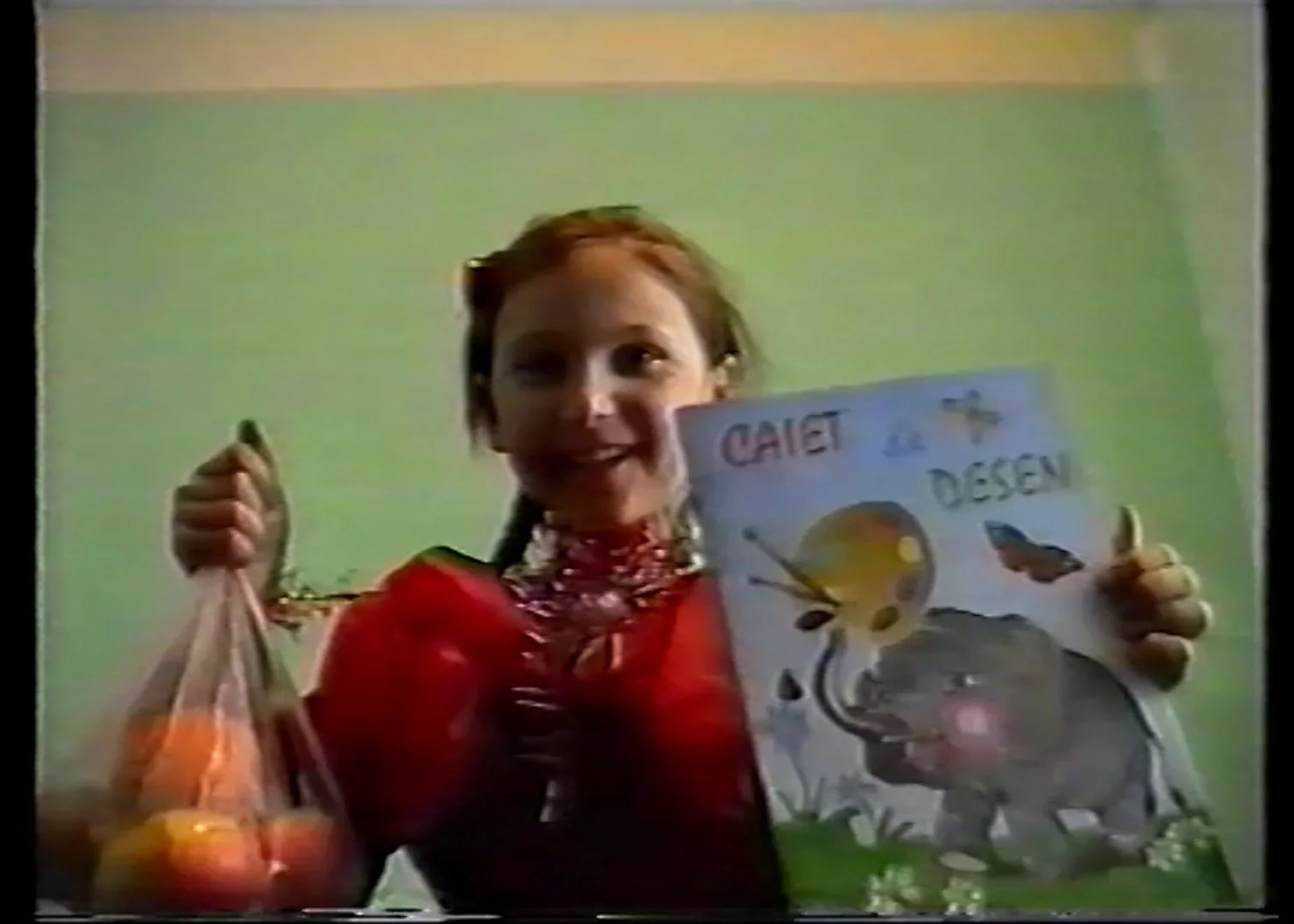
Love Is Not an Orange + Conversation (Otilia Babara, 2022)
An intimate archival documentary on migration and motherhood in freshly-independent Moldova, assembled from home videos exchanged between women working abroad and the children they left behind.
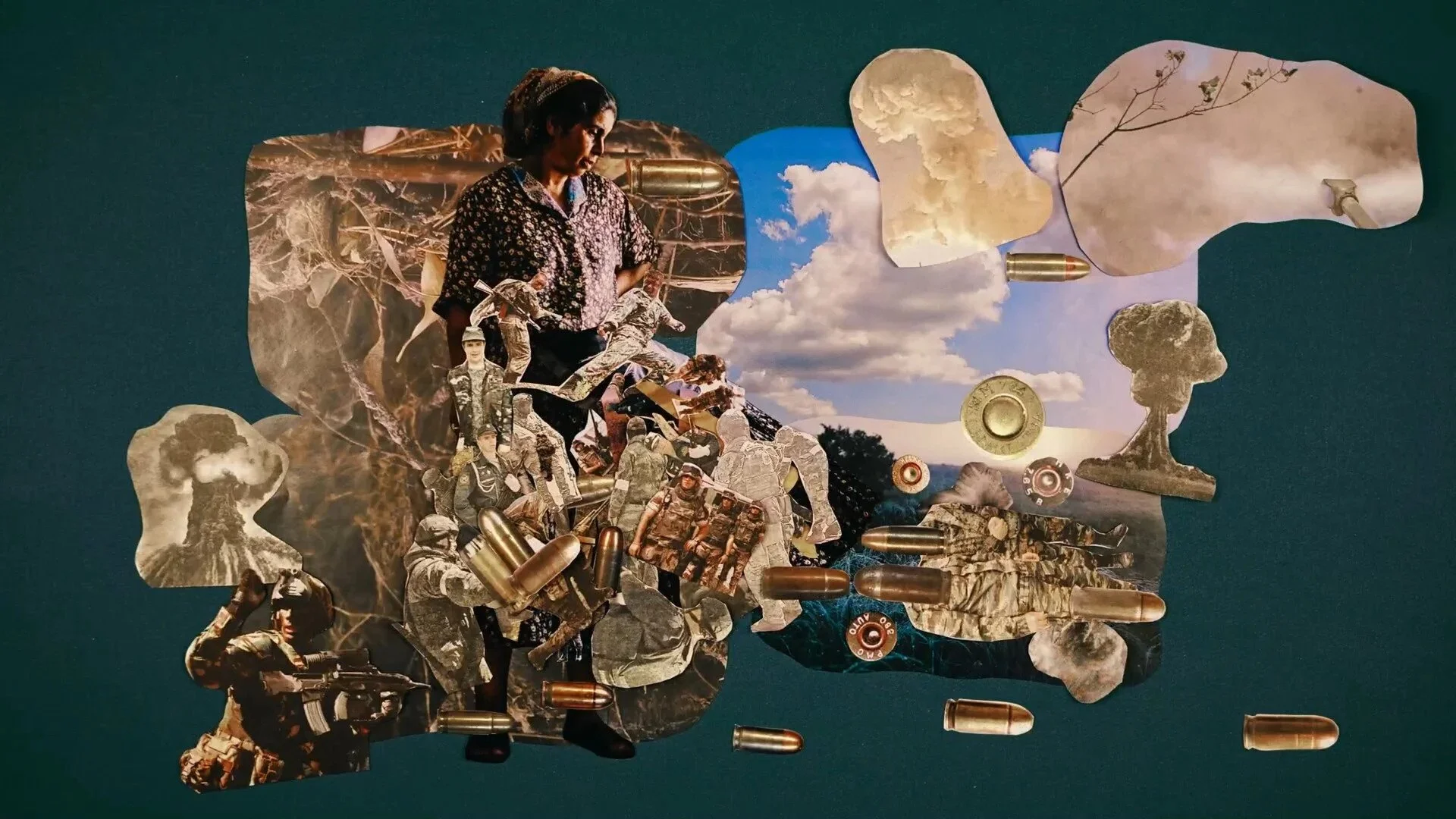
A Home for Rita / Дім для Ріти (Yulia Appen, 2026)
A tenderly, delicately documented story of an internally displaced Romani family who had to flee Russian occupation in spring 2022. It's pieced together from the testimonies of the family’s women, given with irrepressible playfulness and resilience in rare moments of relative idleness that punctuate an otherwise excruciating process: building a new life in a temporary place.
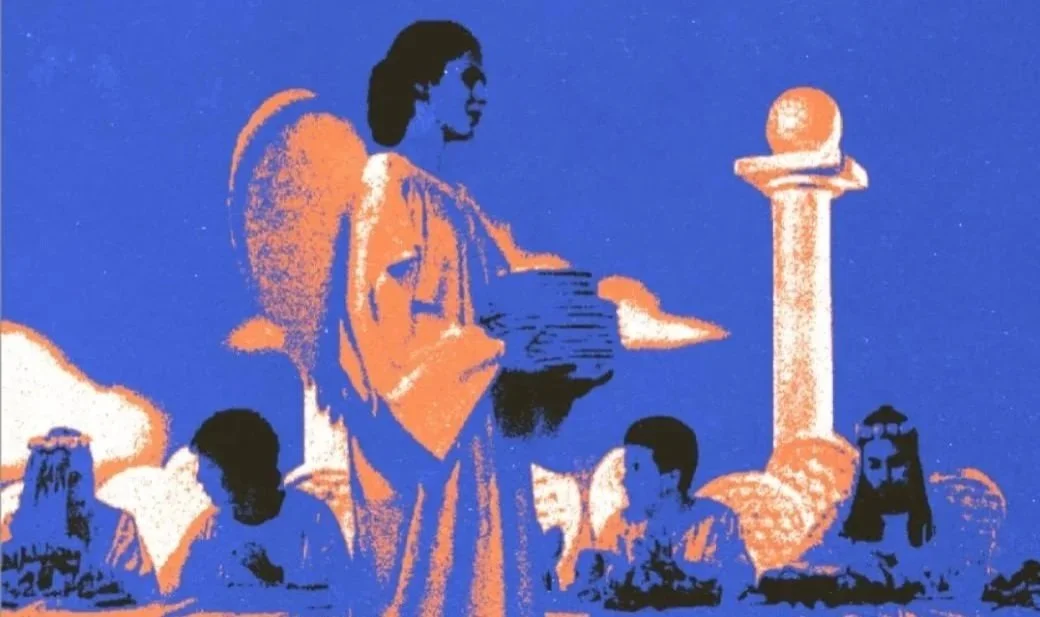
Samizdat x Half Past Now: 5th Birthday
Celebrate five years of Samizdat with a special club night in collaboration with Half Past Now, carrying the festival beyond the screen!
The Beauty of the Donkey / Bukuria e Gomarit (Dea Gjinovci, 2025)
In 1968, Asllan, a 19-year-old Kosovar political activist, was forced into exile. More than 50 years later, his daughter Dea visits the village with him and, as her father shares stories from his childhood, sets out to revive memories of a suspended past.
Fragments of Ice / Фрагменти льоду (Maria Stoianova, 2024) + Self-Preserving Nudity / Я не зникаю (Nelly Shylova, 2026)
Glimpses of a utopian West in dialogue with the daily routines and private celebrations of a Ukrainian family in the years surrounding the collapse of the USSR and Ukraine regaining its independence.
Borscht Film presents: Rave (Łukasz Ronduda & Dawid Nickel, 2024)
An exploration of the history of Polish techno and rave culture, weaving together the perspective of the 1990s with the experience of Gen Z.

I’m Not Everything I Want to Be / Ještě nejsem, kým chci být (Klára Tasovská, 2024)
After the Soviet invasion of Prague, a young female photographer strives to break free from the constraints of Czechoslovakian normalisation and embarks on a wild journey towards freedom, capturing her experiences through thousands of photographs.
Politics of the Imagination: Animations of the Eastern Bloc (1958–1992)
From post-apocalyptic visions and classic folk tales to surrealist dreamscapes and allegories of political paranoia, this programme offers an eclectic range of shorts showcasing the raw talent and creative ingenuity of animators from the Eastern Bloc.