


Scottish premiere
Wheelchair accessible* | In Czech; with English subtitles | 18+
Pay-what-you-can tickets (£4 / £7 / £10)
If the ticket or other costs, such as childcare or transport, make this screening unaffordable, please see details of our Audience Access Fund.
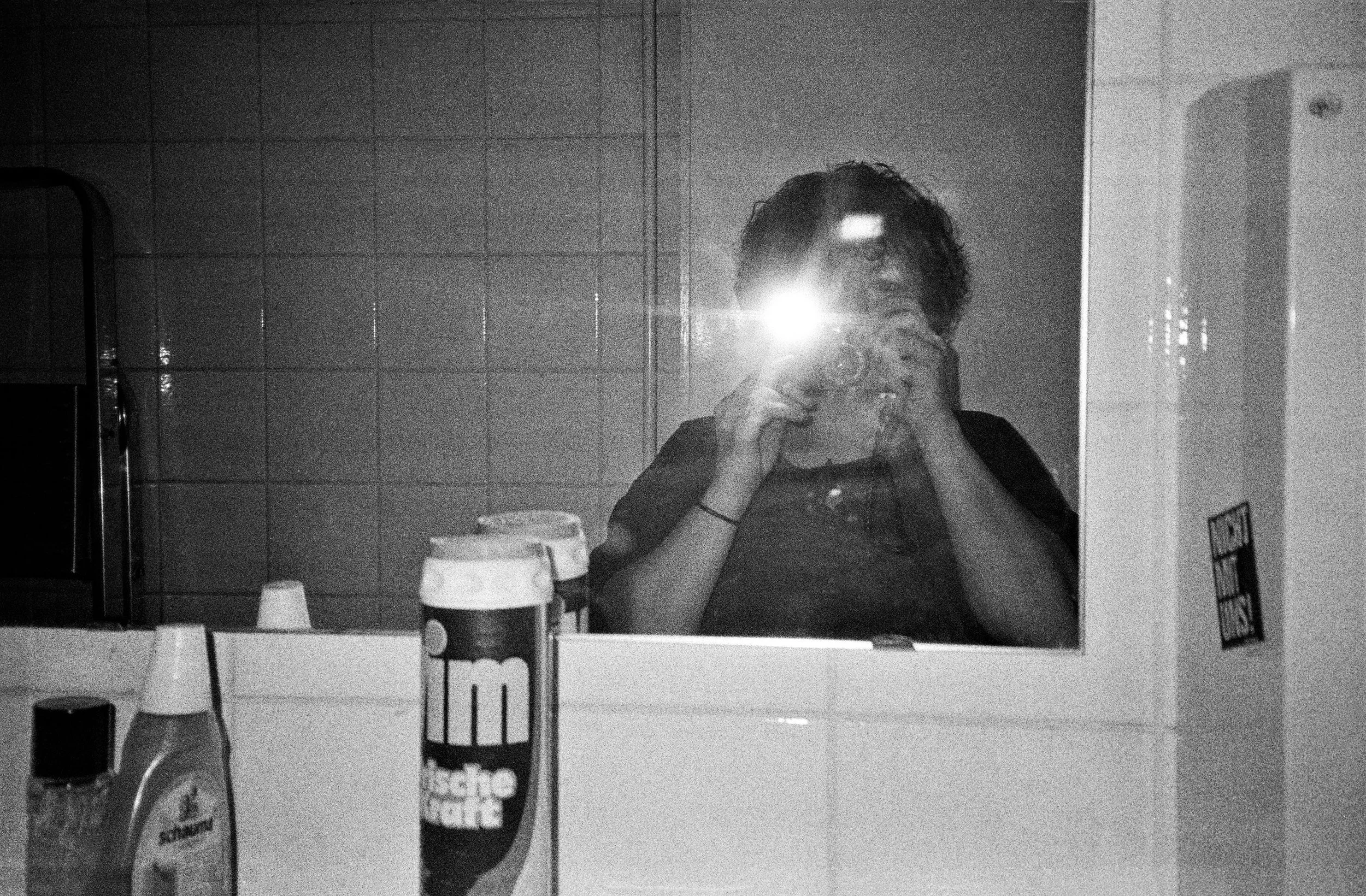
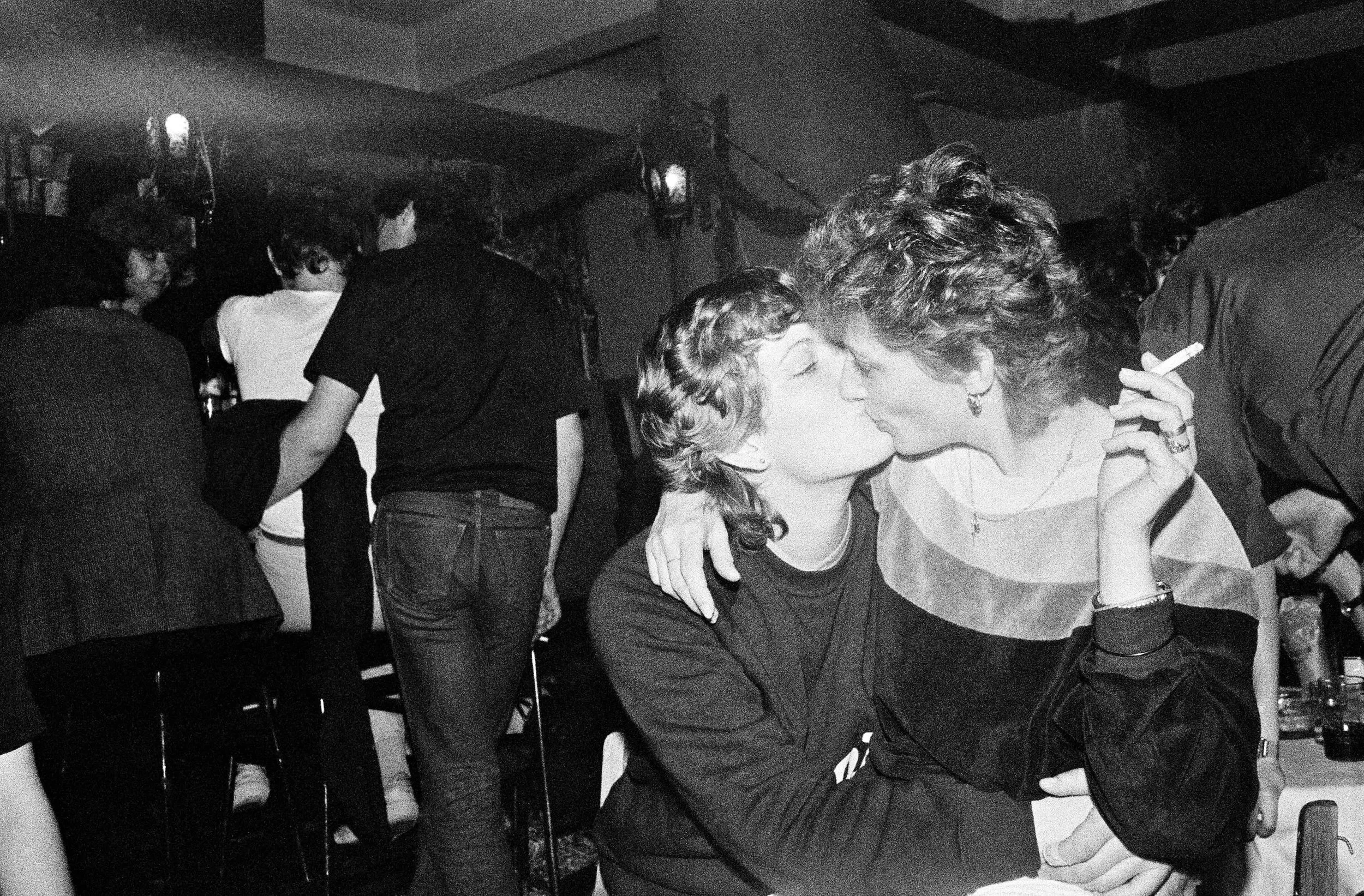
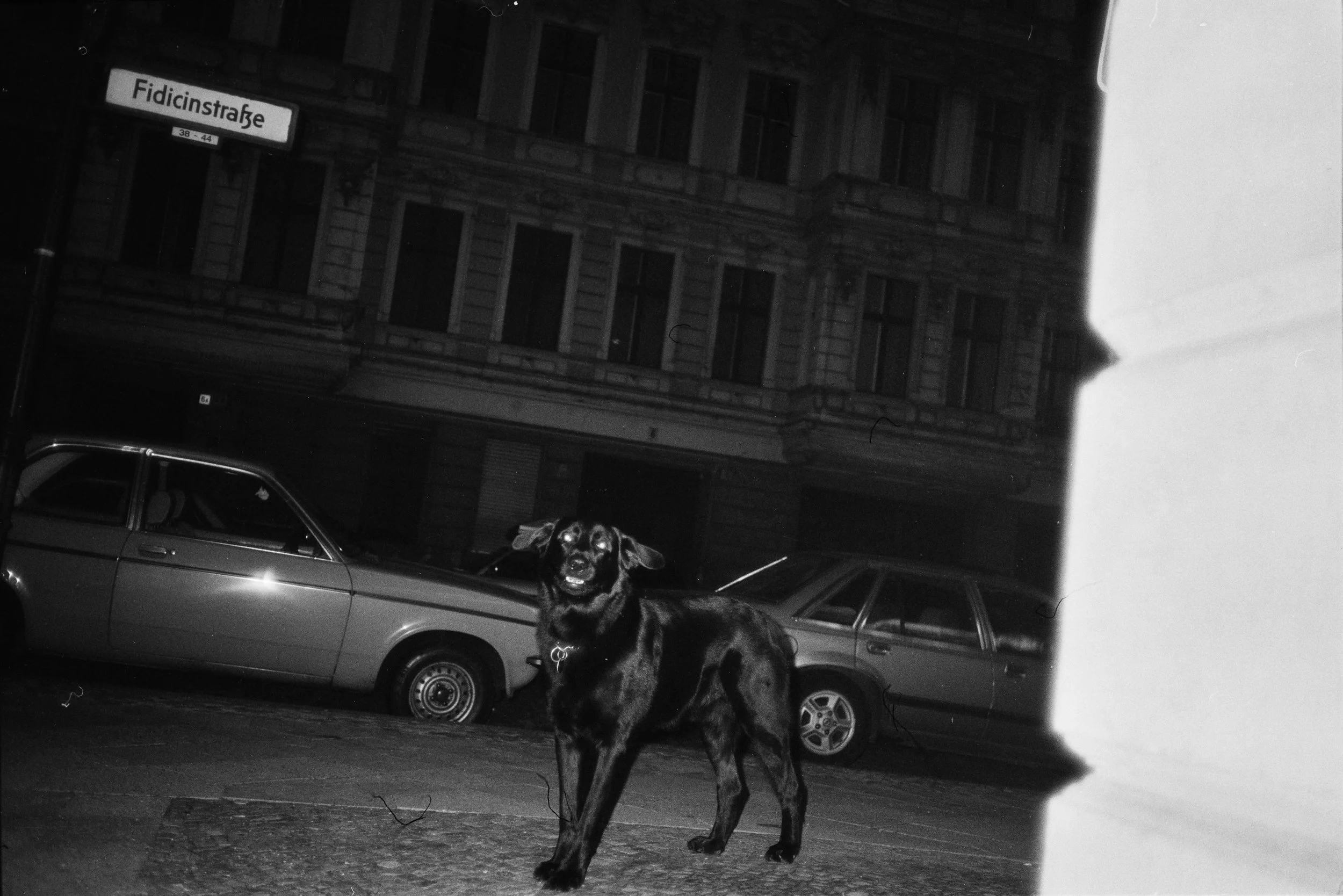
A life unfolds in fragments: nights out, journeys, bodies, jobs, exhaustion and desire. I’m Not Everything I Want to Be assembles this life almost entirely from the photographic archive Czech photographer Libuše Jarcovjáková built over several decades, moving through Prague, Tokyo, and West Berlin as she searches for freedom, intimacy, and a place where she might feel at home.
Jarcovjáková began photographing in Czechoslovakia in the years following the Soviet invasion of 1968, during the period of political repression and enforced conformity known as “normalisation”. Her images record aspects of socialist life largely excluded from official representations: factory workers, cramped apartments, drinking, boredom, sex, friendship, exhaustion and marginal communities. At Prague’s T-Club, one of the few meeting places for the city’s gay and lesbian community, she photographed queer life from within, capturing its relationships, routines and private forms of freedom with unusual intimacy.
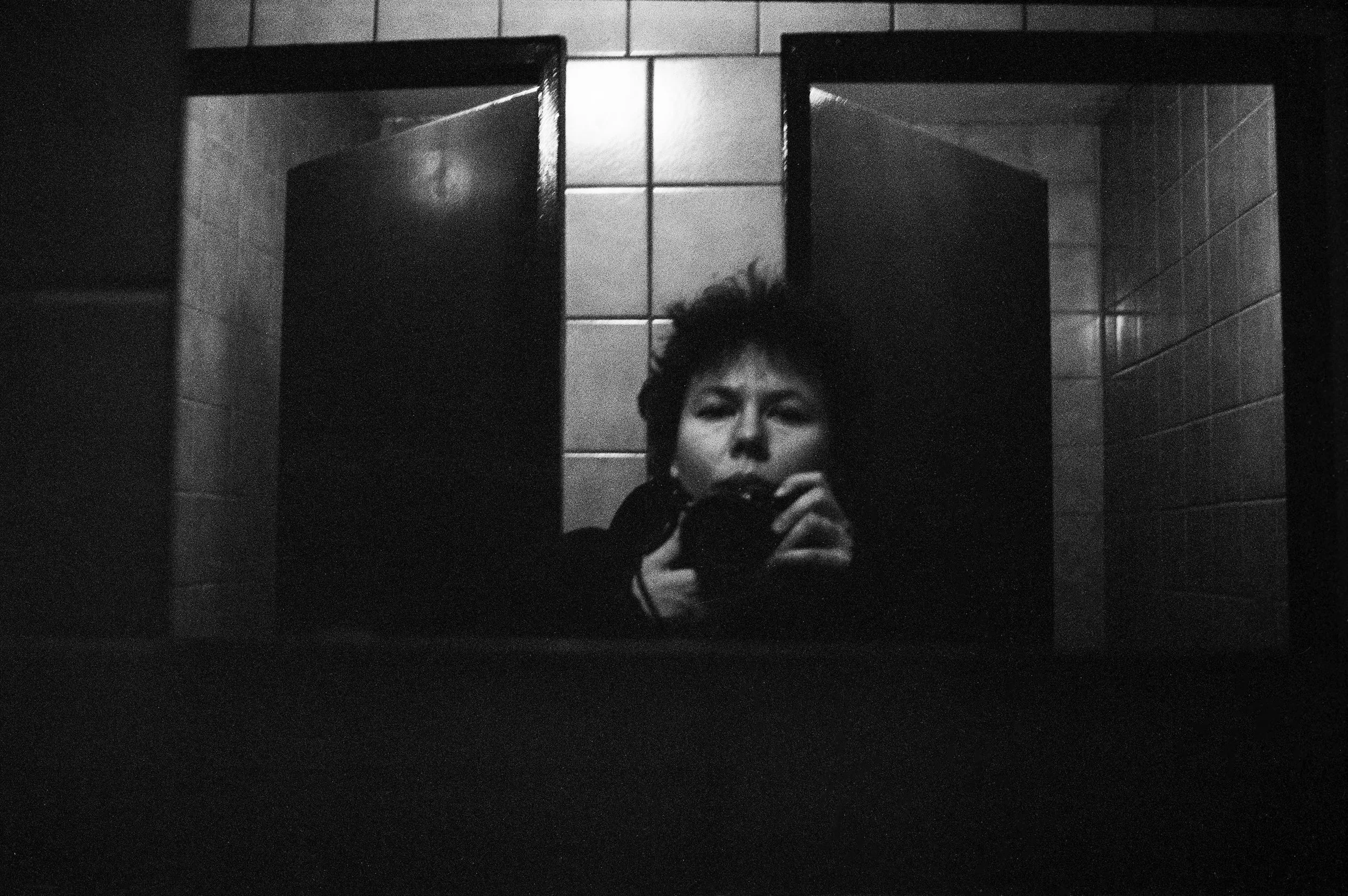
Jarcovjáková’s search for freedom takes her from socialist Czechoslovakia to West Berlin and Tokyo, but the film refuses a simple progression from repression to liberation, as the freedoms of capitalism bring their own forms of precarity and constraint. Director Klára Tasovská constructs the film without historians, critics or conventional retrospective interviews. Instead, Jarcovjáková’s photographs and extracts from the diaries she kept throughout these years tell the story from inside her own experience. Jarcovjáková herself remains a constant presence within it. Her unidealised self-portraits record sex, abortion, injury, exhaustion, ageing and bodily change with unusual directness. As both photographer and subject, she determines the terms of her own representation, turning the camera on herself as insistently as she does on the people and worlds around her. This gives the film a distinctly female gaze: intimate but unsentimental, attentive to bodies and desire without reducing them to objects. Moving between observer and observed, Jarcovjáková uses photography not simply to document her surroundings but to continually test and revise her sense of self. Identity emerges not as a destination but as an ongoing process of questioning and becoming.
Seen today, Jarcovjáková’s accumulation of self-portraits, meals, mirrors and ordinary days can feel strikingly contemporary, anticipating the continuous self-documentation of social media decades before smartphones and online profiles. Yet even this abundance of images cannot offer a complete biography. The archive is both a record of a life and a way of constructing one: subjective rather than neutral, shaped by selection, memory and interpretation.
Content notes: nudity and sexual content, abortion, depression, emotional distress
Access notes: flashing and strobing imagery
Curated by Ania Wieczorkowska
* Please note, The Lower Hall at the Pyramid at Anderston is wheelchair accessible through a ramp at a side entrance. There are 9 steps between the level where it is located and the rest of the venue, meaning that to make way to the accessible toilet or other parts of the building, wheelchair users will need to re-enter via the main entrance. We apologise for any inconvenience this may cause.